Copyright © All rights reserved jisdesigns - Judy Salerno

Crazy Horse Memorial
July 2015
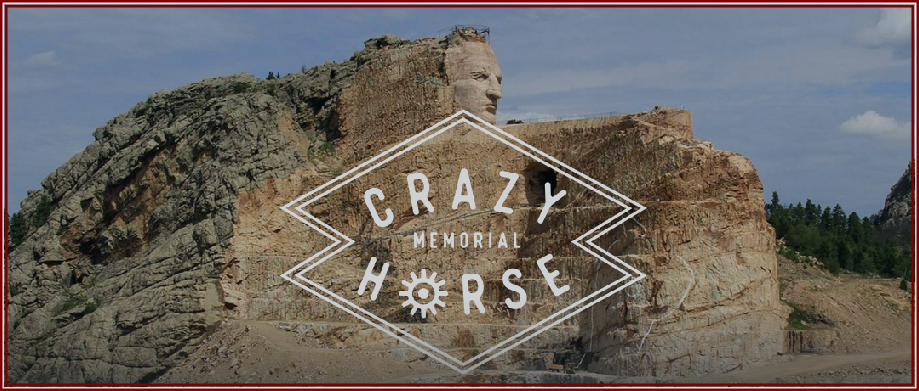
In 1939 Chief Henry Standing Bear wrote to the Boston-born Polish American sculptor Korczak Ziolkowski (1908–1982), who had assisted Gutzon Borglum during the 1939 season of carving the massive stone face of Mount Rushmore, and asked if he would create a monument to honour Native Americans. That request sparked what would become one of the largest and, at times, most controversial memorial projects in the United States. Ziolkowski’s vision, which his family has perpetuated, was for a sculpture of Crazy Horse, who was among the warriors who fought under Sitting Bull at the Battle of the Little Bighorn (1876), where Colonel George Armstrong Custer and his men were killed; about 50 Lakota and Northern Cheyenne also died. Because no photographs of Crazy Horse are known to exist, the 87-foot (27 m)-tall head of the monument, unveiled in 1998, is an idealisation. Ziolkowski and members of the Lakota tribe chose the location of Thunderhead Mountain, but some Lakota, including numerous descendants of Crazy Horse, are offended at their sacred ground being destroyed. Russell Means, the Lakota activist, likened the carving to someone’s carving up Mount Zion in Israel to honour the Hebrew prophets.